Fall Prevention in Residential Group Homes: A Practical Guide
Falls are the leading cause of injury for older adults. Here's how to reduce them in a group home — and document your efforts defensibly.
Falls are the leading cause of injury among older adults, and about one in four adults over 65 falls each year. In a residential group home, where residents may have limited mobility, memory concerns, or medications that affect balance, that risk is a daily reality rather than a statistic. A single fall can mean a fracture, a hospital stay, and a lasting loss of confidence for someone who was doing fine the week before.
The encouraging part is that falls are not random. Most trace back to a handful of predictable factors, and small, consistent changes make a real difference. The goal isn't to wrap residents in bubble wrap — it's to remove the obvious hazards, watch for the warning signs, and keep good enough records that you can see patterns and show your work.
Start with the environment
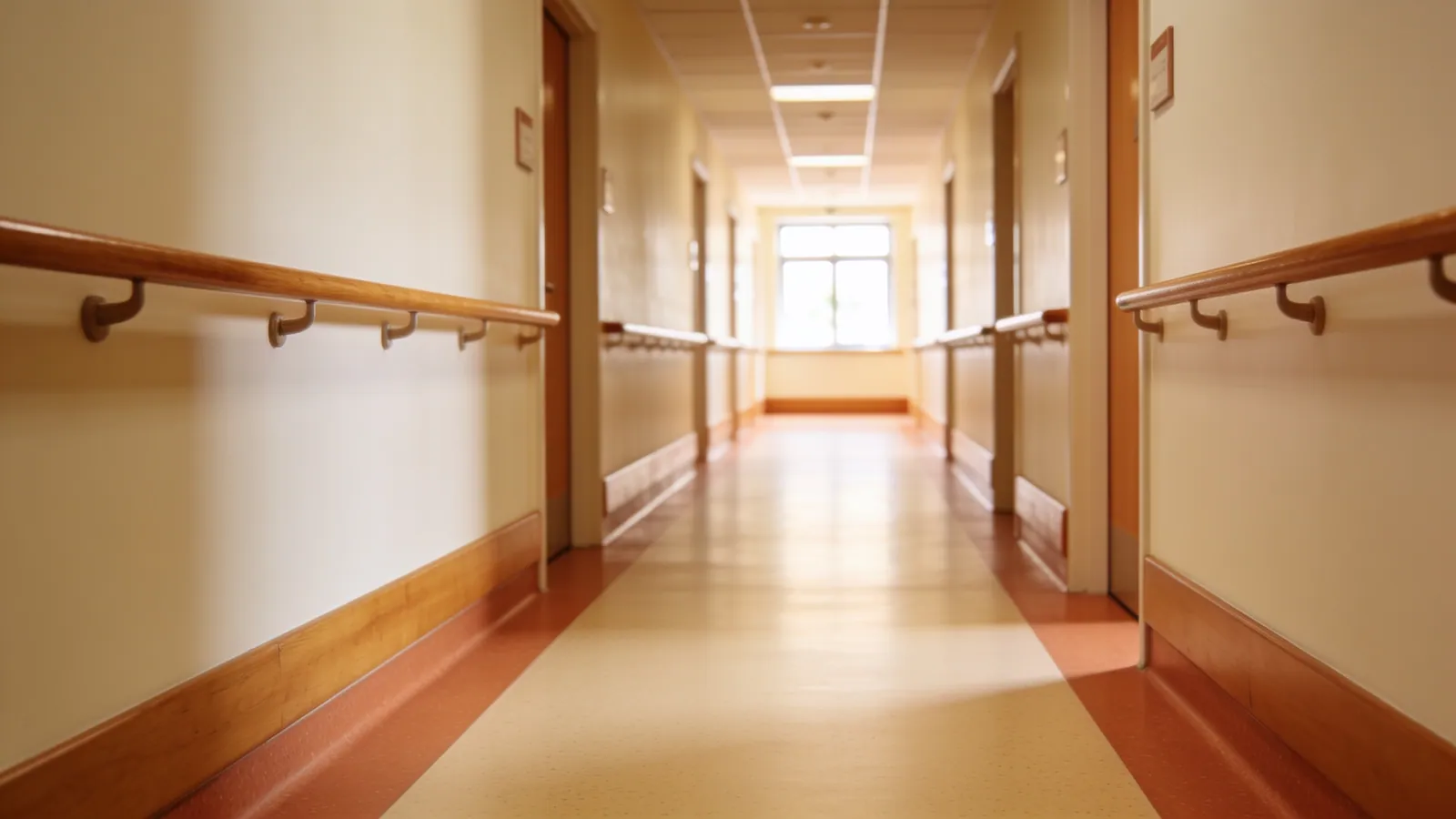
The cheapest fall prevention is the walk-through you can do this afternoon. Look at the floors, the lighting, and the paths people actually use, not the ones on the floor plan. Common culprits are loose rugs, trailing cords, cluttered hallways, dim corridors at night, wet bathroom floors, and grab bars that were never installed where a resident actually reaches for support.
- Clear the paths. Keep walkways and doorways free of clutter, cords, and furniture that drifts out of place.
- Light the route. Add night lighting between bedrooms and bathrooms, where a large share of falls happen.
- Support the transitions. Grab bars, raised toilet seats, and non-slip mats matter most at the moments people sit, stand, and turn.
- Check the footwear. Well-fitting, non-slip shoes beat socks or loose slippers every time.
Watch the person, not just the room
Environment is half the picture. The other half is the individual: a new medication, a bout of dizziness, an infection, or simply a rougher week can raise someone's risk overnight. Staff who know their residents notice these shifts first — but only if there's a habit of writing them down and passing them along at shift change. A near-miss that never gets recorded is a warning the next caregiver never receives.
How FamilyCare Facility helps
FamilyCare Facility gives your team one consistent place to log falls, near-misses, and the observations that precede them — time-stamped, attributed to the staff member on shift, and preserved in one place you control. Because incidents and daily notes live together, patterns become visible: a resident whose near-misses cluster at night, or a hallway that keeps showing up. That's the difference between reacting to falls and getting ahead of them.
It's documentation and operations software, not a medical or clinical-assessment tool — it won't diagnose fall risk, but it makes sure the information your staff already gather is captured, shared, and there when you need it.
No home can prevent every fall, and honest documentation never claims to. But a home that removes hazards, listens to its staff, and records what it sees is protecting residents and protecting itself at the same time — because when someone asks what you did, the answer is written down.
More that might help
We build modern, affordable operations software for senior centers and residential group homes. Follow the Resources hub for practical guidance on documentation, funding, and care.
Document safety the easy way
Start free for 14 days — no credit card. See how simple it is to log incidents and spot patterns before they become injuries.
Start your free trial →