Emergency Preparedness for Residential Care Homes
Plans, drills, and records that keep residents safe when minutes matter — and prove you were ready.
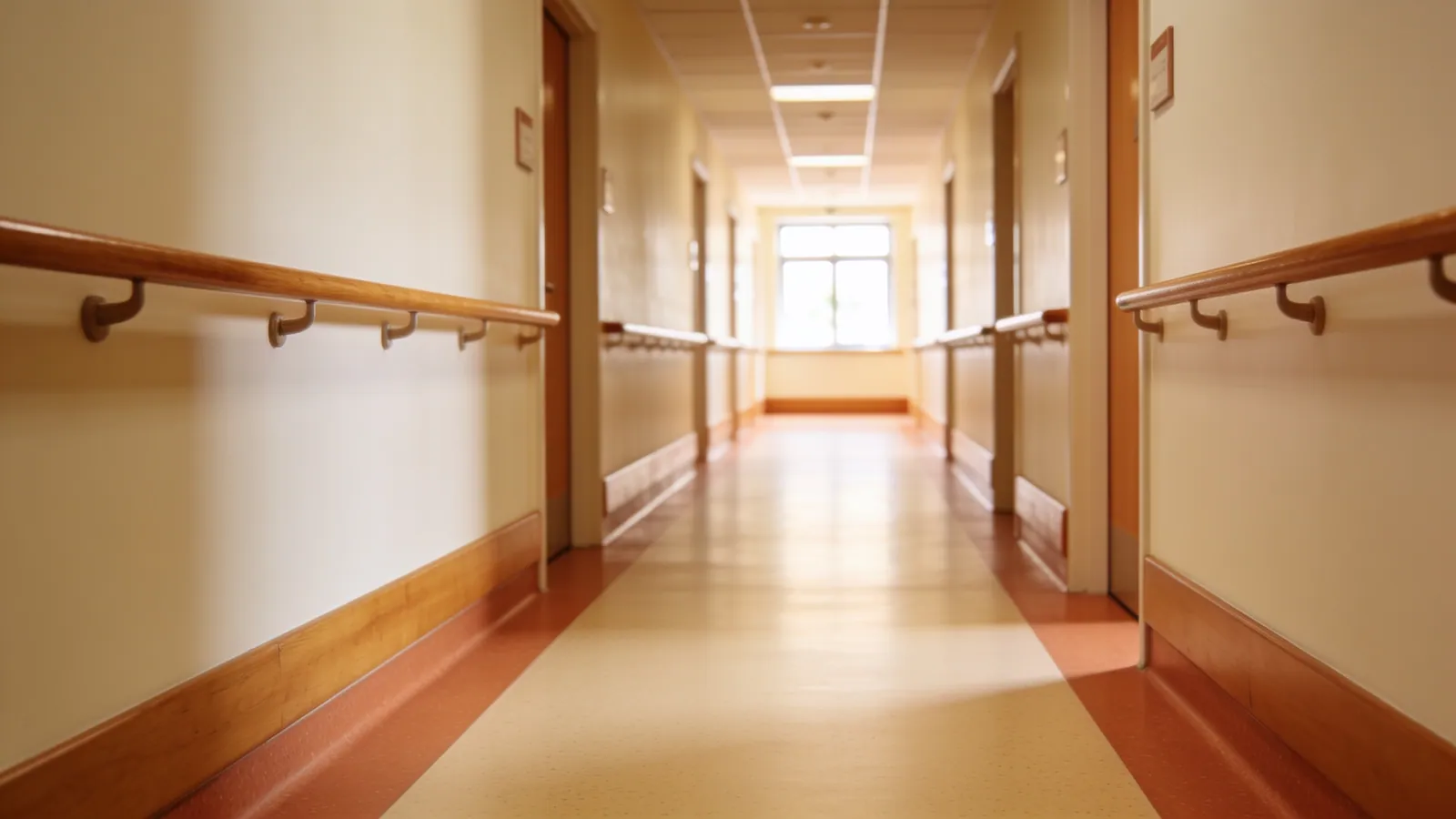
An emergency in a residential care home rarely announces itself. A power outage on a July afternoon, a small kitchen fire, a resident who wanders toward an unlocked door, a regional evacuation order — each unfolds in minutes, and each asks the same question of your staff: do they know exactly what to do right now? The homes that come through calmly are almost never the ones with the fanciest equipment. They're the ones that planned in advance and practiced.
Preparedness isn't a binder that lives on a shelf. It's a small set of habits — clear plans, regular drills, and simple records — that turn a frightening moment into a series of steps your team can follow without hesitation. The good news is that building those habits is well within reach for even a small home on a modest budget.
Start with the plans that matter most
You don't need a plan for every conceivable event. You need solid ones for the handful that are both likely and serious: fire, severe weather, extended power loss, medical emergencies, and a missing resident. For each, write down the essentials in plain language — who does what, where residents go, who gets called, and what every resident needs to stay safe along the way.
That last point is the one paper often loses. If a resident uses oxygen, takes time-sensitive medication, or can't manage stairs, that has to travel with them during an evacuation. Keeping current resident needs, emergency contacts, and physician information organized ahead of time is half the battle.
Drills, records, and the calm they buy
- Practice on a schedule. Run fire and shelter-in-place drills regularly, rotate through shifts, and time them. A drill nobody has done at 2 a.m. isn't really a plan.
- Debrief honestly. After each drill, note what went smoothly and what snagged — a jammed exit, a missing roster, a slow head count — then fix it before it's real.
- Keep the record. Log the date, who took part, and what you learned. When a surveyor or family member asks whether you were prepared, a documented history answers for you.
How FamilyCare Facility helps
FamilyCare Facility keeps the information an emergency demands in one organized, secure place — resident profiles with care needs and emergency contacts, current rosters for a fast and accurate head count, and staff records — all reachable from a phone or tablet when the office computer isn't an option. When you run a drill or respond to a real event, you can log it as a time-stamped, attributed record, building the documented history that shows your home takes safety seriously.
It won't replace your fire marshal's guidance or your state's requirements, but it removes the scramble for basic facts so your team can focus on people, not paperwork.
Emergencies will always be stressful. What preparedness changes is how much of that stress lands on your residents. A little planning, honest practice, and records you can actually find turn chaos into a checklist — and that difference is measured in the safety of the people who depend on you.
More that might help

We build modern, affordable operations software for senior centers and residential group homes. Follow the Resources hub for practical guidance on documentation, funding, and care.
Be ready before the moment comes
Start free for 14 days — no credit card. Get resident needs, contacts, and rosters organized so your team can act fast.
Start your free trial →