Engaging Isolated Seniors: Combating Loneliness
Connection is a health issue, not a nicety — and senior centers are uniquely placed to lead on it.
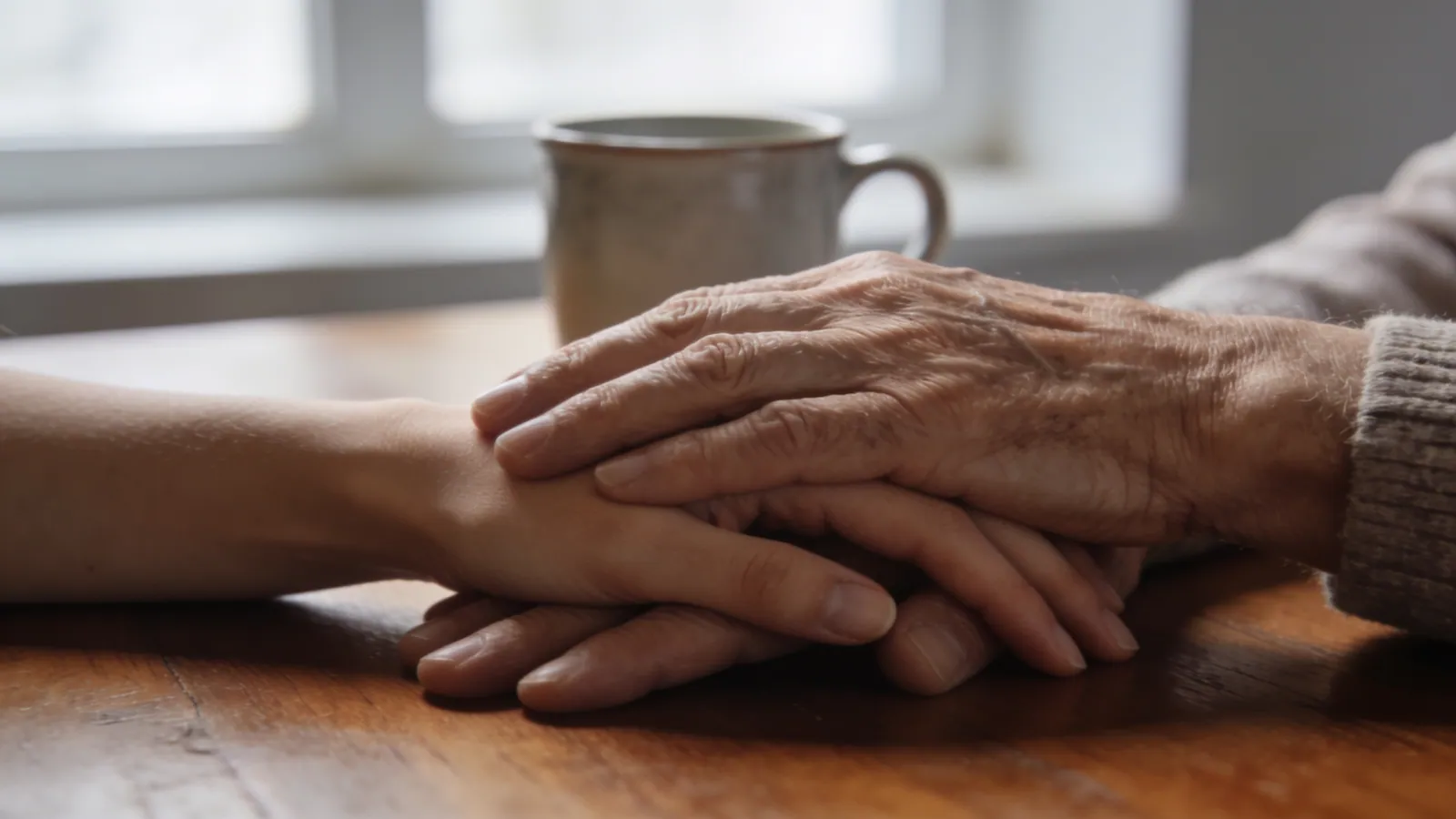
For a long time, loneliness among older adults was treated as a sad but private matter — something to feel bad about, not something to act on. That view has changed. Public health experts now describe social isolation as a genuine health risk, one that researchers have linked to higher rates of cognitive decline, depression, and even physical illness. In other words, the warm conversation at a senior center's coffee table isn't extra. For many members, it's part of staying well.
That reframing matters because it puts connection squarely inside your mission. Senior centers and care homes already gather people, offer meals, and run activities. The opportunity is to be a little more deliberate about who's connecting, who isn't, and who has quietly stopped showing up.
Notice the person who slips away
Loneliness rarely arrives with an announcement. More often it looks like a regular member who came every Tuesday for years and now comes twice a month, then once, then not at all. In a busy center it's genuinely easy to miss — there's no alarm when someone simply isn't there. Yet that fading pattern is one of the clearest early signals you have, if you're paying attention to attendance over time rather than just today.
A gentle phone call to someone who's dropped off the calendar can be the most important thing your center does all week. The trick is knowing who to call, which means having a way to see the pattern.
Practical ways to build connection
- Watch attendance trends, not just daily counts. A dip for a once-regular member is a cue to reach out warmly.
- Design activities for mixing, not just watching. Small-group formats, shared meals, and buddy pairings turn a room of individuals into a community.
- Bring families into the loop. When relatives know how their loved one is doing and what's on the calendar, they reinforce the connection from home.
How FamilyCare Facility helps
FamilyCare Facility quietly supports this work. Because attendance and activity participation are captured as part of the normal day, patterns become visible — you can see which members are engaging often and which have tapered off, so a caring follow-up call goes to the person who most needs it. Activity planning and participation tracking help you build a richer, more social calendar, and permission-based updates keep families gently informed about how their loved one is doing.
It's operations software, not a clinical or counseling tool — but by making the human patterns easy to see, it frees your team to do the part only people can do: reach out and connect.
No app cures loneliness; people do that. What good records offer is awareness — a way to catch the quiet fade before it becomes isolation, and to make sure the warmth your center already provides reaches the members who need it most. Lead on connection, and you're not just filling a calendar. You're protecting health.
More that might help
We build modern, affordable operations software for senior centers and residential group homes. Follow the Resources hub for practical guidance on documentation, funding, and care.
See who's slipping away — before they're gone
Start free for 14 days — no credit card. Turn everyday attendance into a gentle early-warning system for connection.
Start your free trial →